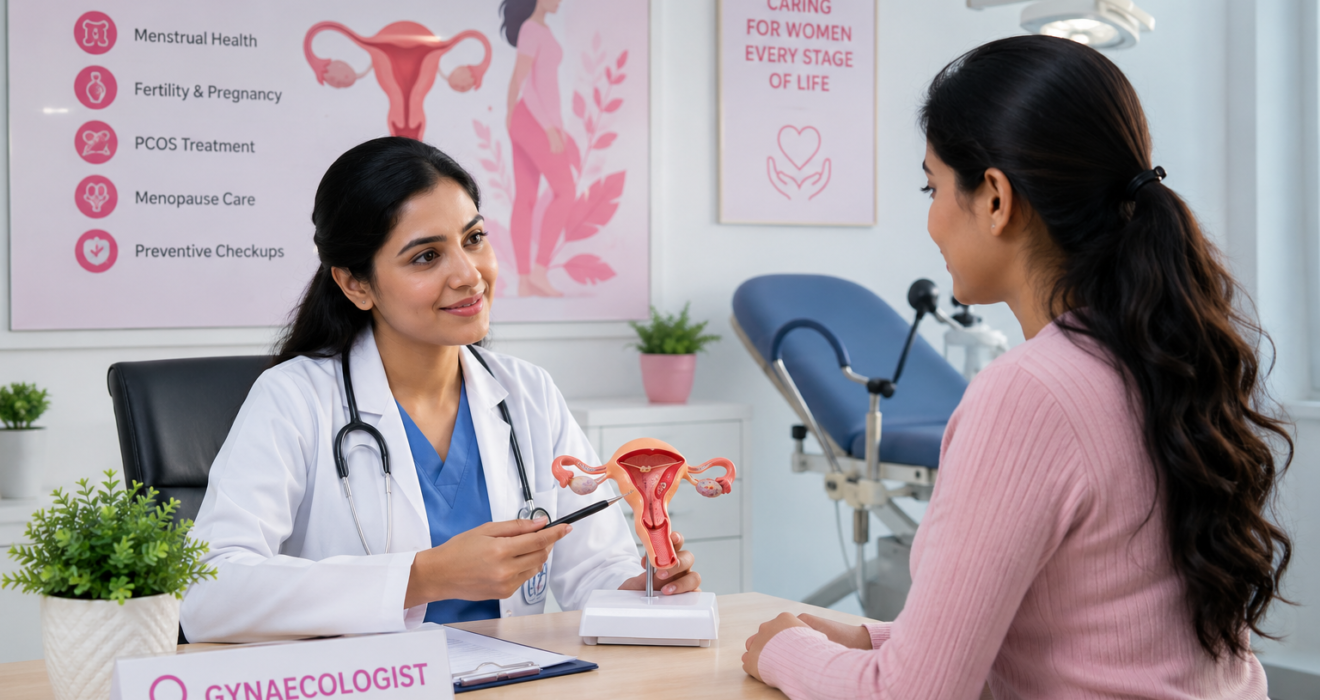
How to Maintain Hormonal Balance Naturally
Hormones play a major role in maintaining overall health and wellness in women. They regulate metabolism, mood, reproductive health, sleep cycles, digestion, and energy levels. When hormones become imbalanced, women may experience symptoms such as irregular periods, fatigue, mood swings, acne, weight gain, hair loss, and difficulty sleeping. Maintaining hormonal balance naturally is essential for leading a healthy and active life.
Many women today are facing hormonal issues because of stress, unhealthy eating habits, lack of physical activity, and poor sleep patterns. Consulting the best gynaecologist in narsingi can help women identify the root cause of hormonal imbalance and receive proper guidance for treatment and prevention.
Natural lifestyle modifications can significantly improve hormonal health. A healthy routine, nutritious diet, proper hydration, exercise, and stress management are some of the most effective ways to support the endocrine system. Women of all age groups can benefit from adopting healthy habits that promote hormonal stability.
Importance of Hormonal Health in Women
Hormones act as chemical messengers that control many body functions. Estrogen, progesterone, insulin, cortisol, and thyroid hormones are especially important for women’s health. Even a slight imbalance in these hormones may affect physical and emotional well-being.
Women suffering from hormonal imbalance may notice irregular menstrual cycles, severe cramps, bloating, skin problems, anxiety, or sudden mood changes. Seeking advice from the best gynaecologist in narsingi can help in early diagnosis and management of hormonal issues before they become severe.
Hormonal health also affects fertility and pregnancy. Balanced hormones improve ovulation, reproductive health, and overall wellness. Natural approaches can often help women maintain healthy hormone levels without unnecessary complications.
Eat a Nutrient-Rich Balanced Diet
A balanced diet is one of the most important factors for hormonal balance. The body requires proteins, healthy fats, vitamins, minerals, and fiber to produce hormones efficiently. Eating highly processed foods, excess sugar, and unhealthy fats can disturb hormonal function.
Women should include fresh fruits, vegetables, nuts, seeds, whole grains, and lean proteins in daily meals. Foods rich in omega-3 fatty acids such as flaxseeds, walnuts, and fish help reduce inflammation and support hormone production.
The best gynaecologist in narsingi often recommends reducing refined sugar intake because excessive sugar can increase insulin resistance and hormonal disturbances. Maintaining stable blood sugar levels is essential for overall hormonal wellness.
Green leafy vegetables contain magnesium and antioxidants that help reduce stress hormones. Fiber-rich foods improve digestion and help remove excess hormones from the body naturally. Drinking enough water also supports detoxification and hormonal regulation.
Maintain a Healthy Weight with Regular Exercise
Physical activity plays a vital role in balancing hormones naturally. Exercise improves blood circulation, insulin sensitivity, and metabolism while reducing stress levels. Women who exercise regularly often experience better menstrual health and improved mood stability.
Simple activities such as walking, jogging, yoga, cycling, or swimming can positively impact hormonal health. Strength training also helps maintain muscle mass and improve metabolic function.
The best gynaecologist in narsingi may recommend moderate exercise routines for women dealing with PCOS, thyroid disorders, or menstrual irregularities. Exercise helps regulate estrogen and insulin levels, reducing symptoms related to hormonal imbalance.
Yoga and stretching exercises are particularly beneficial because they lower cortisol levels and promote relaxation. Overexercising, however, may negatively affect hormone production, so maintaining balance is important.
Improve Sleep Quality for Better Hormonal Function
Sleep is essential for hormonal repair and regulation. Poor sleep habits can disrupt cortisol, insulin, melatonin, and reproductive hormones. Women who consistently sleep less may experience increased stress, fatigue, and weight gain.
Maintaining a fixed sleep schedule helps the body regulate hormone production naturally. Avoiding screen exposure before bedtime and creating a peaceful sleeping environment can improve sleep quality.
According to the best gynaecologist in narsingi, women should aim for at least seven to eight hours of quality sleep every night. Adequate rest allows the body to repair itself and maintain healthy hormone levels.
Stress and anxiety can also interfere with sleep patterns. Practicing meditation, deep breathing, or relaxation techniques before bedtime may help improve sleep naturally.
Reduce Stress Levels Naturally
Chronic stress is one of the leading causes of hormonal imbalance. Stress increases cortisol production, which may interfere with reproductive and thyroid hormones. Long-term stress can affect menstrual cycles, fertility, digestion, and emotional health.
Managing stress naturally is important for hormonal balance. Meditation, mindfulness, yoga, spending time in nature, and engaging in hobbies can help reduce stress levels.
Women experiencing severe stress-related symptoms should consult the best gynaecologist in narsingi for proper evaluation and guidance. Emotional well-being is closely connected to hormonal health.
Listening to calming music, maintaining healthy relationships, and taking breaks from busy routines can also improve emotional stability. Small lifestyle changes can significantly reduce stress-related hormonal disturbances.
Stay Hydrated Throughout the Day
Hydration supports every function in the body, including hormone transportation and detoxification. Dehydration may increase fatigue, headaches, and poor concentration while affecting metabolism.
Drinking enough water helps maintain energy levels and improves overall health. Herbal teas and fresh fruit-infused water may also support hydration.
The best gynaecologist in narsingi often advises women to avoid excessive sugary beverages and caffeine because they may contribute to hormonal fluctuations. Proper hydration supports digestion, skin health, and hormone balance naturally.
Avoid Excess Sugar and Processed Foods
Processed foods often contain unhealthy fats, preservatives, and excess sugar that may negatively impact hormones. High sugar intake can increase insulin levels and contribute to conditions such as PCOS and obesity.
Women should focus on consuming fresh and natural foods instead of packaged snacks and sugary drinks. Balanced meals help maintain steady energy levels and reduce hormonal stress on the body.
The best gynaecologist in narsingi may recommend limiting refined carbohydrates and increasing fiber intake for better hormonal health. Healthy eating habits support long-term wellness and reduce the risk of chronic diseases.
Include Healthy Fats in Your Diet
Healthy fats are necessary for hormone production. The body uses dietary fats to create hormones, making them essential for reproductive and overall health.
Avocados, olive oil, nuts, seeds, and fatty fish are excellent sources of healthy fats. These foods support brain function, reduce inflammation, and improve hormone regulation.
The best gynaecologist in narsingi often emphasizes the importance of balanced nutrition for women experiencing hormonal fluctuations. Including healthy fats in daily meals can naturally improve hormonal stability.
Natural Hormonal Care Tips by the Best Gynaecologist in Narsingi
Women often overlook early signs of hormonal imbalance until symptoms become severe. Paying attention to changes in the body and adopting healthy habits can prevent complications.
Regular health checkups with the best gynaecologist in narsingi can help monitor reproductive health and identify hormonal concerns early. Preventive care plays a major role in maintaining long-term wellness.
Benefits of Herbal and Natural Remedies
Certain natural remedies may support hormonal health when used responsibly. Herbal teas, turmeric, ginger, fenugreek, and flaxseeds are commonly used for their anti-inflammatory and hormone-supporting properties.
However, women should avoid self-medication and consult the best gynaecologist in narsingi before trying supplements or herbal remedies. Every woman’s hormonal needs are different, and professional guidance ensures safety.
Natural remedies work best when combined with a healthy lifestyle, balanced diet, and stress management techniques.
Importance of Gut Health in Hormonal Balance
Gut health directly affects hormonal function. Poor digestion and unhealthy gut bacteria may interfere with hormone metabolism and nutrient absorption.
Eating probiotic-rich foods such as yogurt and fermented foods helps maintain healthy gut bacteria. Fiber-rich foods also support digestion and remove toxins from the body.
The best gynaecologist in narsingi may advise women to maintain digestive health to support hormonal wellness naturally. A healthy gut contributes to improved immunity, metabolism, and emotional health.
Importance of Mental Health in Hormonal Wellness
Mental and emotional health are closely connected to hormonal balance. Anxiety, depression, and chronic stress may increase cortisol levels and affect reproductive hormones.
Women should prioritize emotional wellness through self-care activities and relaxation techniques. Talking with supportive family members or engaging in positive activities can improve mental well-being.
The best gynaecologist in narsingi often highlights the importance of emotional balance in maintaining reproductive health. Women who manage stress effectively usually experience fewer hormonal symptoms.
Meditation, journaling, and mindfulness exercises may naturally improve emotional stability and support healthy hormone function.
Limit Exposure to Harmful Chemicals
Environmental toxins found in plastics, cosmetics, and cleaning products may disrupt hormone production. These chemicals can interfere with the endocrine system and affect reproductive health.
Using natural skincare products, avoiding plastic food containers, and choosing organic produce whenever possible may reduce toxin exposure.
Women concerned about hormonal disturbances should consult the best gynaecologist in narsingi for proper health evaluation and preventive guidance.
Role of Sunlight and Vitamin D in Hormonal Health
Vitamin D plays an important role in hormone regulation and immune function. Lack of sunlight exposure may contribute to fatigue, mood changes, and weakened immunity. Many women today suffer from vitamin D deficiency because of indoor lifestyles.
Spending time in early morning sunlight can naturally improve vitamin D levels. Healthy vitamin D levels support reproductive health, bone strength, and emotional well-being.
According to the best gynaecologist in narsingi, women experiencing fatigue, hair fall, or mood disturbances should regularly monitor their vitamin D levels. Proper nutrition and sunlight exposure help improve hormonal function naturally.
How PCOS Affects Hormonal Balance
Polycystic Ovary Syndrome is one of the most common hormonal disorders affecting women. PCOS may cause irregular periods, acne, weight gain, excessive hair growth, and fertility issues. Insulin resistance is often linked with this condition.
Women with PCOS can improve their hormonal balance naturally through lifestyle modifications. Regular exercise, healthy eating habits, and stress reduction techniques can help manage symptoms effectively.
Foods That Support Hormonal Balance Naturally
Certain foods are especially beneficial for hormonal wellness. Leafy green vegetables, berries, nuts, seeds, and whole grains provide essential nutrients that support hormone production.
Protein-rich foods help stabilize blood sugar levels and maintain energy throughout the day. Healthy fats from avocados and olive oil also improve hormonal function.
Maintain Regular Menstrual Tracking
Tracking menstrual cycles helps women identify hormonal changes early. Irregular periods, excessive bleeding, or severe cramps may indicate underlying hormonal issues.
Mobile apps and journals can help monitor menstrual health effectively. Women should seek medical advice if they notice unusual changes in their cycles.
The best gynaecologist in narsingi can provide proper diagnosis and treatment options for menstrual irregularities and hormonal disorders.
Role of Thyroid Health in Hormonal Balance
The thyroid gland plays a critical role in regulating metabolism and energy levels. Thyroid imbalances may cause fatigue, weight changes, hair fall, and menstrual disturbances.
Regular thyroid screening can help detect issues early. A nutritious diet, exercise, and stress management support thyroid function naturally.
Consulting the best gynaecologist in narsingi is important for women experiencing symptoms related to thyroid imbalance.
Hormonal Balance During Different Life Stages
Women experience hormonal changes during puberty, pregnancy, postpartum recovery, and menopause. Each stage requires different nutritional and lifestyle support.
Healthy habits adopted early in life can improve hormonal stability in later years. Routine medical care also helps women manage age-related hormonal changes effectively.
The best gynaecologist in narsingi can guide women through different hormonal phases with personalized treatment and preventive care.
Importance of Regular Medical Checkups
Routine health checkups help identify hormonal disorders early. Blood tests, thyroid evaluations, and reproductive health screenings are essential for maintaining overall wellness.
Women should never ignore symptoms such as irregular periods, chronic fatigue, severe acne, or unexplained weight changes. Early medical guidance can prevent complications.
Regular consultations with the best gynaecologist in narsingi ensure proper monitoring and timely treatment of hormonal concerns.
Best Gynaecologist in Narsingi Recommends Yoga for Hormonal Balance
Yoga is one of the most effective natural methods for reducing stress and improving hormone regulation. It enhances blood circulation, improves flexibility, and calms the nervous system.
Specific yoga poses may support reproductive health and improve menstrual regularity. Breathing exercises also help lower cortisol levels and promote emotional relaxation.
The best gynaecologist in narsingi may recommend yoga for women dealing with hormonal imbalance, anxiety, or PCOS symptoms. Regular yoga practice can improve both physical and mental health.
Importance of Regular Physical Activity
A sedentary lifestyle can contribute to obesity, insulin resistance, and hormonal imbalance. Staying physically active helps regulate metabolism and improve blood circulation.
Walking for at least thirty minutes daily can positively affect hormone health. Activities such as cycling, dancing, or swimming may also improve energy and emotional well-being.
Importance of Healthy Digestion
Healthy digestion is essential for proper nutrient absorption and hormone regulation. Poor digestive health may increase inflammation and affect hormonal balance negatively.
Fiber-rich foods support bowel movements and help remove excess hormones from the body naturally. Probiotic foods also maintain healthy gut bacteria.
The best gynaecologist in narsingi often recommends improving gut health through proper hydration and balanced nutrition. Healthy digestion supports immunity, metabolism, and reproductive wellness.
Benefits of Drinking Herbal Teas
Herbal teas such as chamomile, ginger, peppermint, and green tea may help support hormonal health naturally. These beverages contain antioxidants that reduce inflammation and improve digestion.
Drinking herbal tea regularly may also help reduce stress and improve sleep quality. Better sleep and lower stress levels contribute to improved hormonal balance.
Best Gynaecologist in Narsingi Advises Routine Health Screenings
Routine medical screenings are important for detecting hormonal disorders early. Blood tests, thyroid evaluations, and reproductive health checkups can help identify underlying problems.
Women should never ignore symptoms such as severe fatigue, irregular periods, or sudden weight changes. Early medical attention can prevent serious complications.
The best gynaecologist in narsingi emphasizes preventive healthcare because timely diagnosis improves treatment outcomes and long-term health.
Natural Self-Care Practices for Women
Self-care is an important part of hormonal wellness. Taking time to relax, rest, and focus on emotional health can positively affect hormone regulation.
Activities such as reading, gardening, painting, or spending time with loved ones help reduce stress and improve mood naturally.
The best gynaecologist in narsingi encourages women to prioritize self-care because emotional well-being directly affects physical health and hormonal stability.
Women should create healthy boundaries, maintain positive relationships, and allow themselves enough time for rest and recovery.
FAQs
1. What are the common signs of hormonal imbalance in women?
Common signs include irregular periods, mood swings, acne, fatigue, weight gain, hair fall, sleep disturbances, and difficulty concentrating. These symptoms may vary depending on the underlying hormonal issue.
2. Can diet help maintain hormonal balance naturally?
Yes, a healthy diet rich in fruits, vegetables, whole grains, proteins, and healthy fats can support hormone production and regulation. Avoiding processed foods and excess sugar is also important for hormonal health.
3. Does stress affect hormone levels?
Chronic stress can increase cortisol levels and disturb other hormones related to metabolism, reproduction, and sleep. Stress management techniques like yoga, meditation, and exercise can help improve hormonal balance.
4. How important is sleep for hormonal health?
Sleep is essential for proper hormone regulation and body repair. Poor sleep can affect insulin, cortisol, and reproductive hormones, leading to fatigue, mood changes, and other health problems.
5. When should I consult the best gynaecologist in narsingi for hormonal imbalance?
Women should consult the best gynaecologist in narsingi if they experience persistent symptoms such as irregular periods, severe cramps, unexplained weight changes, acne, excessive hair growth, or fertility concerns. Early medical guidance can help identify and manage hormonal issues effectively.
Conclusion
Maintaining hormonal balance naturally requires a combination of healthy eating, regular exercise, proper sleep, stress management, and preventive healthcare. Small lifestyle improvements can significantly enhance physical, emotional, and reproductive health.
Women should pay close attention to their bodies and seek professional medical advice whenever necessary. Early intervention can prevent long-term hormonal complications and improve quality of life.
Consulting the best gynaecologist in narsingi can help women receive expert guidance for maintaining hormonal wellness naturally. With the right habits and medical support, women can achieve better health, emotional stability, and overall well-being.
Connect with Dr. Neha Shukla
For regular updates, women’s health tips, and expert guidance, you can also follow Dr. Neha Shukla on Instagram. She shares helpful insights on pregnancy care, hormonal health, and overall wellness to keep you informed and confident about your health.
👉 Follow on Instagram:https://www.instagram.com/dr.nehashukla_obg/
Email Us: info@impactspecialityclinics.com
Book Your Appointment Today
📞 Phone Number :+91 7075352525
Don’t delay your health concerns. Schedule your consultation with an affordable gynecologist Narsingi and get the care you deserve at a price you can afford.