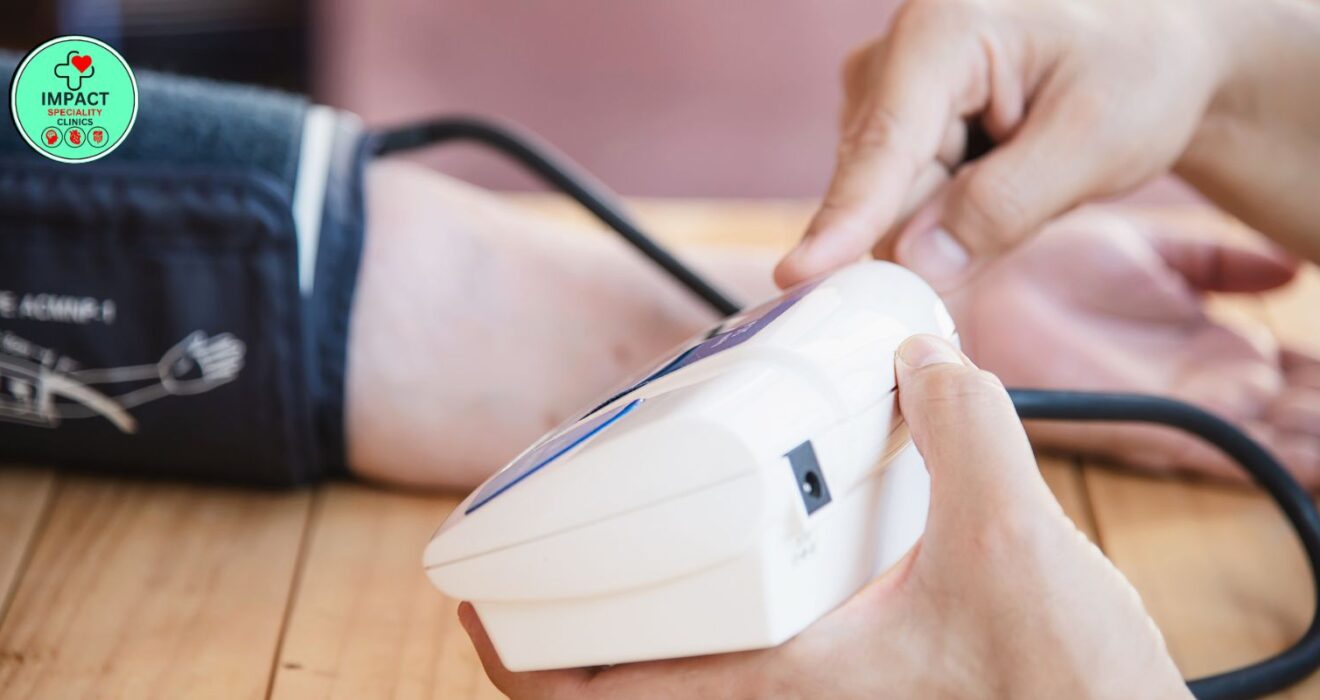
Hypertension (High Blood Pressure): Causes, Symptoms, Risks, and When to See a Cardiologist in Narsingi
Hypertension, commonly known as high blood pressure, is one of the most widespread health conditions affecting millions of people worldwide. Often referred to as the “silent killer,” it can develop without noticeable symptoms but still cause severe damage to the heart, brain, kidneys, and other organs. If left untreated, hypertension significantly increases the risk of heart attacks, strokes, and other life-threatening complications.
Understanding hypertension, its causes, symptoms, and management strategies is essential for maintaining long-term health. If you or a loved one has been diagnosed with high blood pressure, consulting a cardiologist in Narsingi can help ensure proper diagnosis, treatment, and lifestyle guidance to prevent complications.
Understanding Hypertension
Blood pressure measures the force of blood pushing against the walls of the arteries as the heart pumps blood. It is recorded with two numbers:
- Systolic pressure – the pressure when the heart beats
- Diastolic pressure – the pressure when the heart rests between beats
A typical healthy reading is around 120/80 mmHg.
Blood pressure categories generally include:
- Normal: Less than 120/80 mmHg
- Elevated: 120–129 systolic and less than 80 diastolic
- Hypertension Stage 1: 130–139 systolic or 80–89 diastolic
- Hypertension Stage 2: 140/90 mmHg or higher
- Hypertensive crisis: Above 180/120 mmHg
Persistent high blood pressure can damage blood vessels and vital organs. Seeking early guidance from a cardiologist in Narsingi is crucial for proper monitoring and treatment.
Types of Hypertension
Hypertension can develop due to various reasons and is usually classified into two major types.
Primary (Essential) Hypertension
Primary hypertension develops gradually over many years and has no single identifiable cause. Lifestyle factors such as poor diet, lack of exercise, and stress often contribute to this condition.
Secondary Hypertension
Secondary hypertension results from an underlying medical condition such as:
- Kidney disease
- Hormonal disorders
- Thyroid problems
- Sleep apnea
- Certain medications
When hypertension is caused by an underlying condition, a cardiologist in Narsingi may work with other specialists to treat the root cause.
Common Causes of High Blood Pressure
High blood pressure can develop due to a combination of genetic, lifestyle, and environmental factors.
1. Unhealthy Diet
Excessive salt consumption, processed foods, and unhealthy fats can increase blood pressure levels.
2. Lack of Physical Activity
A sedentary lifestyle can lead to weight gain and reduced cardiovascular health, increasing the risk of hypertension.
3. Obesity
Excess body weight forces the heart to work harder to pump blood throughout the body.
4. Stress
Chronic stress can temporarily raise blood pressure and contribute to long-term hypertension.
5. Smoking and Alcohol
Tobacco and excessive alcohol intake can damage blood vessels and raise blood pressure.
6. Genetics
A family history of hypertension increases the likelihood of developing the condition.
7. Aging
As people age, arteries become less flexible, which can increase blood pressure levels.
For individuals experiencing persistent high readings, consulting a cardiologist in Narsingi can help identify risk factors and create an effective treatment plan.
Symptoms of Hypertension
Hypertension is often called a silent condition because many individuals experience no noticeable symptoms until the condition becomes severe. However, some people may experience:
- Headaches
- Shortness of breath
- Dizziness
- Chest pain
- Blurred vision
- Nosebleeds
- Fatigue or confusion
These symptoms may not always indicate hypertension, but they should never be ignored. Visiting a cardiologist in Narsingi can help determine whether high blood pressure is the underlying cause.
Risk Factors for High Blood Pressure
Several factors increase the likelihood of developing hypertension.
Age
The risk of hypertension increases with age due to changes in blood vessel elasticity.
Family History
Individuals with relatives who have high blood pressure are more likely to develop it.
Poor Diet
High sodium intake and low potassium levels can significantly raise blood pressure.
Sedentary Lifestyle
Lack of regular exercise weakens the heart and circulatory system.
Chronic Stress
Long-term stress can trigger hormonal changes that affect blood pressure.
Medical Conditions
Conditions such as diabetes, kidney disease, and sleep apnea are linked with hypertension.
Regular checkups with a cardiologist in Narsingi can help monitor these risk factors and prevent complications.
Health Complications of Untreated Hypertension
Ignoring high blood pressure can lead to severe health problems affecting multiple organs.
Heart Disease
Hypertension can cause the heart muscle to thicken and increase the risk of heart failure, heart attacks, and coronary artery disease.
Stroke
High blood pressure can weaken blood vessels in the brain, increasing the likelihood of a stroke.
Kidney Damage
The kidneys rely on healthy blood vessels to function properly. Hypertension can damage these vessels, leading to kidney disease.
Vision Loss
High blood pressure can damage blood vessels in the eyes, potentially leading to vision problems or blindness.
Metabolic Syndrome
Hypertension is often linked with metabolic disorders, including obesity and diabetes.
A cardiologist in Narsingi can help manage blood pressure levels and reduce the risk of these life-threatening complications.
Diagnosis of Hypertension
Diagnosing hypertension usually involves multiple blood pressure readings taken on different occasions.
Doctors may also recommend additional tests such as:
- Blood tests
- Urine tests
- Electrocardiogram (ECG)
- Echocardiogram
- Kidney function tests
These tests help determine whether high blood pressure has already affected vital organs. Early diagnosis from a cardiologist in Narsingi allows for timely treatment and prevention of complications.
Lifestyle Changes to Manage Hypertension
Lifestyle changes are often the first line of treatment for high blood pressure. These adjustments can significantly reduce blood pressure levels and improve heart health.
Maintain a Healthy Diet
A diet rich in fruits, vegetables, whole grains, and lean proteins helps regulate blood pressure.
Reduce Salt Intake
Limiting sodium intake can significantly lower blood pressure.
Exercise Regularly
Engaging in physical activity such as walking, jogging, cycling, or swimming strengthens the heart and improves circulation.
Maintain Healthy Weight
Weight loss can reduce strain on the heart and help control blood pressure.
Manage Stress
Relaxation techniques such as meditation, yoga, and breathing exercises can help reduce stress levels.
Limit Alcohol and Quit Smoking
Avoiding tobacco and limiting alcohol consumption improves cardiovascular health.
A cardiologist in Narsingi can provide personalized lifestyle recommendations to effectively control hypertension.
Medical Treatments for Hypertension
In some cases, lifestyle changes alone may not be sufficient to control high blood pressure. Doctors may prescribe medications to help regulate blood pressure levels.
Common medications include:
- Diuretics
- ACE inhibitors
- Angiotensin II receptor blockers (ARBs)
- Calcium channel blockers
- Beta blockers
The choice of medication depends on factors such as age, overall health, and underlying conditions. A qualified cardiologist in Narsingi will determine the most appropriate treatment plan for each patient.
Importance of Regular Blood Pressure Monitoring
Regular monitoring helps detect changes in blood pressure early and ensures that treatment is working effectively.
People with hypertension should:
- Check blood pressure regularly
- Maintain a healthy lifestyle
- Take medications as prescribed
- Attend regular medical checkups
A cardiologist in Narsingi can guide patients on how frequently they should monitor their blood pressure and adjust treatment if necessary.
Preventing Hypertension
Prevention plays a crucial role in reducing the risk of developing high blood pressure.
Key preventive strategies include:
- Eating a balanced and nutritious diet
- Staying physically active
- Maintaining a healthy body weight
- Managing stress effectively
- Avoiding tobacco products
- Limiting alcohol consumption
- Monitoring blood pressure regularly
Early consultation with a cardiologist in Narsingi can help individuals adopt preventive measures and maintain optimal heart health.
When to Consult a Cardiologist
It is important to seek medical attention if you experience:
- Consistently high blood pressure readings
- Severe headaches or chest pain
- Shortness of breath
- Vision problems
- Dizziness or fainting
Early diagnosis and treatment can prevent serious complications. Consulting a cardiologist in Narsingi ensures access to specialized care, advanced diagnostic tools, and personalized treatment plans.
Managing Hypertension for Long-Term Heart Health
Hypertension is a manageable condition when detected early and treated properly. By adopting healthy lifestyle habits, monitoring blood pressure regularly, and following medical advice, individuals can significantly reduce the risk of complications.
Working closely with a cardiologist in Narsingi ensures that patients receive expert guidance and the most effective treatment options. With the right care and preventive measures, it is possible to maintain healthy blood pressure levels and lead a long, active life.
Hypertension (High Blood Pressure): Prevention, Management, and the Role of a Cardiologist in Narsingi
Hypertension, widely known as high blood pressure, is one of the most common chronic health conditions affecting people across the world. Despite its widespread nature, many individuals remain unaware that they have it. This is because hypertension often develops slowly and usually shows no obvious symptoms in its early stages. However, over time, uncontrolled blood pressure can lead to serious complications such as heart disease, stroke, kidney failure, and vision problems.
Maintaining healthy blood pressure levels is essential for protecting your heart and overall well-being. Early diagnosis, regular monitoring, and appropriate treatment play a key role in managing hypertension effectively. If you are concerned about your blood pressure levels or have already been diagnosed with hypertension, consulting a cardiologist in Narsingi can help you receive the right guidance and treatment plan to protect your heart health.
What is Hypertension?
Blood pressure refers to the force exerted by circulating blood against the walls of the arteries. The heart pumps blood throughout the body, and this pressure is necessary for delivering oxygen and nutrients to organs and tissues.
Blood pressure readings are expressed using two numbers:
- Systolic pressure: The pressure when the heart contracts and pumps blood.
- Diastolic pressure: The pressure when the heart relaxes between beats.
A typical blood pressure reading is around 120/80 mmHg. When these numbers consistently exceed normal levels, it may indicate hypertension.
Blood pressure levels are usually categorized as follows:
- Normal: Less than 120/80 mmHg
- Elevated: 120–129 systolic and less than 80 diastolic
- Stage 1 Hypertension: 130–139 systolic or 80–89 diastolic
- Stage 2 Hypertension: 140/90 mmHg or higher
When blood pressure rises above normal levels for extended periods, it puts extra strain on the heart and blood vessels. A qualified cardiologist in Narsingi can evaluate your blood pressure readings and recommend the best course of action.
Why Hypertension is Called the Silent Killer
One of the most concerning aspects of hypertension is that it often progresses without noticeable warning signs. Many individuals may feel perfectly healthy while their blood pressure gradually damages internal organs.
Without proper treatment, high blood pressure can lead to serious health problems including heart attacks, strokes, kidney disease, and vascular complications. This is why routine health checkups and consultations with a cardiologist in Narsingi are essential for early detection and management.
Major Causes of High Blood Pressure
Hypertension can develop due to a variety of factors, including lifestyle habits, genetics, and underlying health conditions.
Poor Dietary Habits
Consuming excessive salt, processed foods, and saturated fats can increase blood pressure levels. High sodium intake causes the body to retain water, increasing the volume of blood circulating through arteries.
Lack of Physical Activity
A sedentary lifestyle weakens the cardiovascular system and contributes to weight gain, both of which increase the risk of hypertension.
Obesity and Overweight
Excess body weight forces the heart to pump harder to circulate blood throughout the body. This additional workload can elevate blood pressure levels.
Chronic Stress
Long-term stress can lead to hormonal changes that temporarily raise blood pressure. Over time, this can contribute to persistent hypertension.
Smoking
Tobacco use damages blood vessels and reduces their elasticity, making it harder for blood to flow properly.
Alcohol Consumption
Excessive alcohol intake can raise blood pressure and increase the risk of cardiovascular diseases.
Genetic Factors
Family history plays an important role in determining the likelihood of developing hypertension.
A cardiologist in Narsingi can evaluate these risk factors and guide patients toward healthier lifestyle choices to reduce the risk of high blood pressure.
Symptoms Associated with Hypertension
In most cases, hypertension does not cause noticeable symptoms until it becomes severe. However, some individuals may experience certain warning signs.
Possible symptoms include:
- Persistent headaches
- Dizziness or lightheadedness
- Blurred vision
- Shortness of breath
- Chest discomfort
- Nosebleeds
- Fatigue
While these symptoms do not always indicate high blood pressure, they should not be ignored. A visit to a cardiologist in Narsingi can help determine whether hypertension is the underlying cause.
Who is at Risk for Hypertension?
Although hypertension can affect anyone, certain groups are more vulnerable to developing high blood pressure.
Age
Blood vessels gradually lose flexibility with age, making hypertension more common among older adults.
Family History
Individuals with parents or close relatives who have hypertension are more likely to develop the condition.
Unhealthy Diet
A diet high in sodium and low in potassium can disrupt the body’s fluid balance and raise blood pressure levels.
Sedentary Lifestyle
People who rarely engage in physical activity are more likely to develop hypertension.
Obesity
Excess weight increases strain on the heart and circulatory system.
Chronic Medical Conditions
Certain health conditions such as diabetes, kidney disease, and sleep apnea are linked to hypertension.
If you fall into any of these risk categories, regular checkups with a cardiologist in Narsingi can help detect hypertension early.
Potential Complications of Untreated Hypertension
When left unmanaged, hypertension can cause severe damage to multiple organs in the body.
Heart Disease
High blood pressure forces the heart to work harder, which may lead to heart enlargement, coronary artery disease, or heart failure.
Stroke
Hypertension can weaken or damage blood vessels in the brain, increasing the risk of stroke.
Kidney Damage
The kidneys filter waste from the blood. High blood pressure can damage the delicate blood vessels in the kidneys, leading to kidney disease.
Vision Problems
Hypertension can damage blood vessels in the eyes, causing vision problems or even blindness.
Aneurysms
Increased pressure in blood vessels may cause them to weaken and bulge, leading to potentially life-threatening aneurysms.
Working with a cardiologist in Narsingi can significantly reduce the risk of these complications through effective treatment and monitoring.
Diagnosis and Evaluation
Diagnosing hypertension typically involves measuring blood pressure multiple times to confirm elevated readings.
Doctors may also recommend additional tests, including:
- Blood tests
- Urine tests
- Electrocardiogram (ECG)
- Echocardiogram
- Kidney function tests
These evaluations help determine whether high blood pressure has affected the heart or other organs. A skilled cardiologist in Narsingi can perform these assessments and develop a tailored treatment plan.
Lifestyle Changes for Blood Pressure Control
Lifestyle modifications play a vital role in managing hypertension and improving cardiovascular health.
Adopt a Balanced Diet
A diet rich in fruits, vegetables, whole grains, and lean proteins can help maintain healthy blood pressure levels.
Limit Salt Intake
Reducing sodium intake is one of the most effective ways to control blood pressure.
Exercise Regularly
Regular physical activity strengthens the heart and improves blood circulation.
Maintain a Healthy Weight
Losing excess weight can significantly lower blood pressure levels.
Manage Stress
Practicing relaxation techniques such as meditation, yoga, and deep breathing can help reduce stress.
Quit Smoking
Stopping tobacco use improves blood vessel function and reduces cardiovascular risk.
A cardiologist in Narsingi can help create a personalized lifestyle plan based on individual health conditions and risk factors.
Medical Treatment Options
In some cases, lifestyle changes alone may not be enough to control hypertension. Doctors may prescribe medications to help regulate blood pressure levels.
Common treatment options include:
- Diuretics
- ACE inhibitors
- Angiotensin receptor blockers (ARBs)
- Calcium channel blockers
- Beta blockers
Each medication works in a different way to reduce blood pressure and protect the heart. A cardiologist in Narsingi will determine the most appropriate medication based on the patient’s health profile.
Importance of Regular Monitoring
Regular blood pressure monitoring is essential for managing hypertension effectively. It helps detect changes early and ensures that treatment is working as intended.
People with hypertension should:
- Monitor blood pressure at home
- Maintain a healthy lifestyle
- Follow medication instructions carefully
- Attend routine medical checkups
A cardiologist in Narsingi can guide patients on proper monitoring techniques and recommend how often they should check their blood pressure.
Preventing High Blood Pressure
Preventing hypertension is possible through consistent healthy habits.
Some key preventive strategies include:
- Eating a balanced and nutritious diet
- Staying physically active
- Managing body weight
- Reducing stress levels
- Avoiding tobacco products
- Limiting alcohol consumption
- Scheduling regular health checkups
Consulting a cardiologist in Narsingi can help individuals identify early risk factors and take proactive steps to prevent hypertension.
When to Seek Medical Advice
You should consider visiting a doctor if you experience:
- Repeatedly high blood pressure readings
- Severe headaches or dizziness
- Chest pain or shortness of breath
- Sudden vision problems
- Unexplained fatigue
These symptoms may indicate complications related to hypertension. A cardiologist in Narsingi can evaluate your condition and recommend appropriate treatment.
Long-Term Management of Hypertension
Managing hypertension requires a long-term commitment to healthy living and regular medical care. With proper treatment and lifestyle adjustments, most people with high blood pressure can lead active and healthy lives.
The key elements of long-term management include:
- Consistent blood pressure monitoring
- Following prescribed medications
- Maintaining a healthy diet
- Engaging in regular physical activity
- Managing stress effectively
By working closely with a cardiologist in Narsingi, patients can receive expert care and guidance to maintain optimal heart health and prevent complications associated with hypertension.
Final Thoughts
Hypertension is a serious health condition that should never be ignored. Although it may develop silently, its long-term effects can be devastating if left untreated. Fortunately, with early diagnosis, proper treatment, and healthy lifestyle changes, blood pressure can be effectively managed.
Regular health checkups and timely consultations with a cardiologist in Narsingi can help detect hypertension early and prevent life-threatening complications. Taking proactive steps today can protect your heart, improve your quality of life, and ensure a healthier future.
👉 To schedule your consultation or for more information, visit:
🔗 https://impactspecialityclinics.com/contact/
📱 Call or WhatsApp: +91 7075352525
💬 Follow Dr. Neha Shukla Pregnancy specialist in Narsingi on Instagram for expert pregnancy tips, women’s health advice, and updates:
🔗 https://www.instagram.com/dr.nehashukla_obg/
At Impact Specialty Clinics, your health and well-being are our top priorities. Reach out today to experience trusted, holistic, and expert-led maternity and gynecology care in Narsingi, Hyderabad.