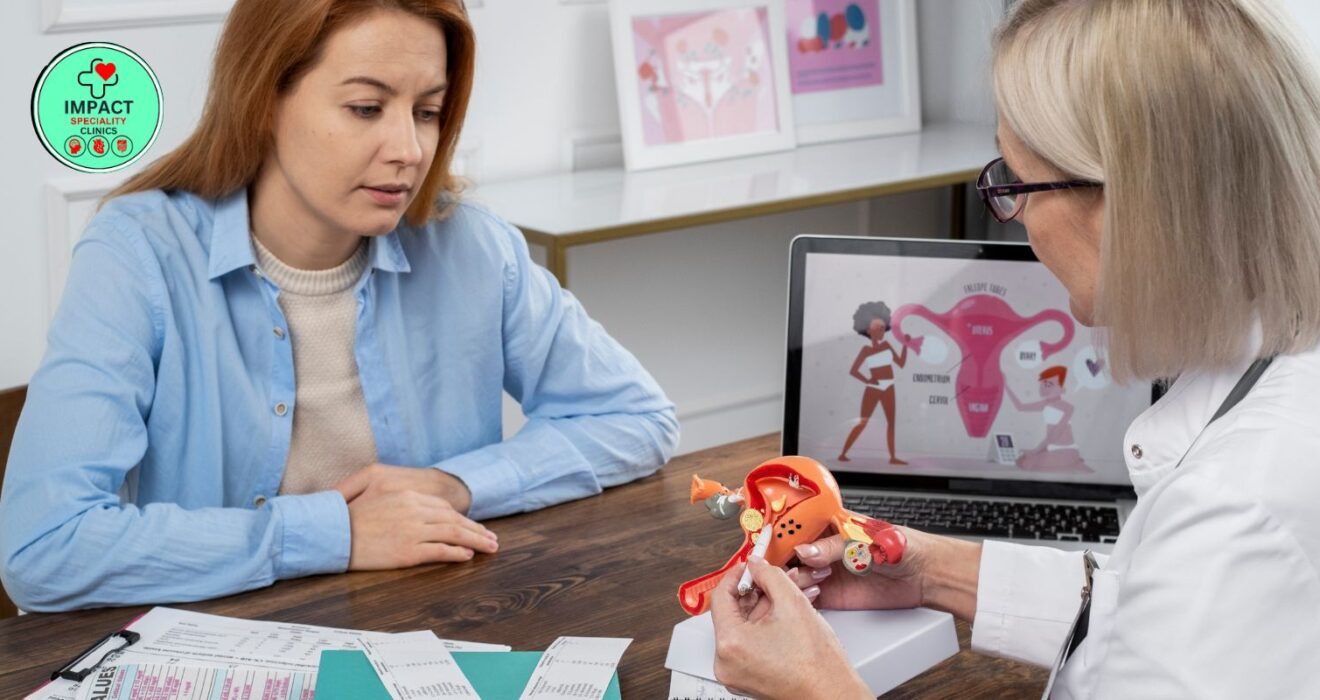
Uterine Fibroids (Leiomyoma): Causes, Symptoms, Diagnosis, and Care During Pregnancy
Uterine fibroids, medically known as leiomyomas, are one of the most common non-cancerous growths found in women of reproductive age. These growths develop from the muscular wall of the uterus and can vary greatly in size, number, and location. While many women with fibroids experience no symptoms, others may face complications such as heavy menstrual bleeding, pelvic pain, fertility challenges, or pregnancy concerns.
With modern medical advancements and expert pregnancy care in narsingi, women diagnosed with fibroids can still experience safe pregnancies and maintain their reproductive health. Understanding the condition, recognizing symptoms early, and seeking appropriate medical care are essential steps in managing uterine fibroids effectively.
What Are Uterine Fibroids?
Uterine fibroids are benign (non-cancerous) tumors that develop in or around the uterus. They originate from smooth muscle cells and connective tissue of the uterine wall. Fibroids may appear as a single growth or multiple nodules and can range in size from microscopic to large masses that distort the uterus.
Most fibroids grow slowly and often shrink after menopause due to reduced hormone levels. However, during reproductive years, hormonal fluctuations—especially estrogen and progesterone—can stimulate fibroid growth.
Women seeking pregnancy care in narsingi are often evaluated for fibroids during routine gynecological examinations or prenatal screenings because fibroids can sometimes influence fertility or pregnancy outcomes.
Types of Uterine Fibroids
Fibroids are categorized based on their location within the uterus. The type of fibroid often determines the symptoms and potential complications.
1. Intramural Fibroids
These are the most common type and develop within the muscular wall of the uterus. They can cause uterine enlargement and may lead to heavy menstrual bleeding or pelvic pressure.
2. Subserosal Fibroids
Subserosal fibroids grow on the outer surface of the uterus and may press on surrounding organs like the bladder or intestines, causing urinary frequency or constipation.
3. Submucosal Fibroids
These fibroids develop just beneath the uterine lining and protrude into the uterine cavity. They are strongly associated with fertility problems and abnormal bleeding.
4. Pedunculated Fibroids
These fibroids are attached to the uterus by a thin stalk and can grow either inside or outside the uterus.
Specialists providing pregnancy care in narsingi often monitor fibroid type and size closely during pregnancy to ensure the safety of both mother and baby.
Causes of Uterine Fibroids
The exact cause of uterine fibroids is not fully understood, but several factors are believed to contribute to their development.
Hormonal Influence
Estrogen and progesterone, the hormones responsible for regulating the menstrual cycle, can stimulate fibroid growth.
Genetic Factors
Women with a family history of fibroids are more likely to develop them. Certain genetic changes in uterine muscle cells may also trigger fibroid formation.
Growth Factors
Substances that help the body maintain tissues, such as insulin-like growth factors, may influence fibroid growth.
Lifestyle and Environmental Factors
Diet, obesity, stress levels, and exposure to certain environmental chemicals may also increase the risk of fibroids.
When women plan pregnancy, doctors providing pregnancy care in narsingi often evaluate these risk factors to create personalized care plans.
Common Symptoms of Uterine Fibroids
Many women with fibroids may not experience symptoms at all. However, when symptoms occur, they can vary depending on fibroid size, location, and number.
Heavy or Prolonged Menstrual Bleeding
Fibroids can cause unusually heavy periods, sometimes leading to anemia.
Pelvic Pain or Pressure
Larger fibroids can create pressure in the pelvic area, resulting in discomfort or pain.
Frequent Urination
Fibroids pressing on the bladder may cause increased urinary frequency.
Constipation
Fibroids that press against the rectum may lead to bowel issues.
Pain During Intercourse
Some fibroids cause discomfort during sexual activity.
Enlarged Abdomen
Very large fibroids can make the abdomen appear swollen or similar to pregnancy.
Early consultation with specialists offering pregnancy care in narsingi helps women manage these symptoms effectively and prevent complications.
How Fibroids Affect Fertility and Pregnancy
While many women with fibroids can conceive and carry pregnancies successfully, certain fibroids may affect fertility or pregnancy outcomes.
Possible Fertility Challenges
Fibroids that distort the uterine cavity may interfere with embryo implantation or block fallopian tubes.
Increased Risk During Pregnancy
Fibroids may increase the likelihood of certain pregnancy complications such as:
- Miscarriage
- Preterm labor
- Placental abruption
- Breech presentation
- Cesarean delivery
However, with expert pregnancy care in narsingi, most women with fibroids can have healthy pregnancies through careful monitoring and treatment.
Diagnosis of Uterine Fibroids
Doctors use several diagnostic methods to confirm the presence of fibroids and evaluate their size and location.
Pelvic Examination
During a routine pelvic exam, doctors may detect an enlarged or irregular uterus, which could indicate fibroids.
Ultrasound
Ultrasound imaging is the most common and effective method for diagnosing fibroids.
MRI Scan
Magnetic resonance imaging provides a more detailed view of fibroids, especially in complex cases.
Hysteroscopy
This procedure allows doctors to examine the inside of the uterus using a small camera.
Women undergoing fertility evaluation or pregnancy care in narsingi may receive these tests as part of comprehensive reproductive health screening.
Treatment Options for Uterine Fibroids
Treatment depends on several factors including symptom severity, fibroid size, reproductive plans, and overall health.
1. Watchful Waiting
For women with mild or no symptoms, doctors may simply monitor fibroid growth through regular checkups.
2. Medications
Certain medications help regulate hormones and reduce symptoms such as heavy bleeding or pelvic pain.
3. Non-Surgical Treatments
Uterine Artery Embolization
This procedure blocks blood flow to fibroids, causing them to shrink.
MRI-Guided Focused Ultrasound
High-energy ultrasound waves destroy fibroid tissue without surgery.
4. Surgical Treatments
Myomectomy
This surgery removes fibroids while preserving the uterus and fertility.
Hysterectomy
In severe cases, removal of the uterus may be recommended, particularly for women who are not planning future pregnancies.
Women planning pregnancy often receive personalized treatment plans through specialized pregnancy care in narsingi programs to ensure optimal fertility outcomes.
Managing Fibroids During Pregnancy
Fibroids are sometimes discovered during routine prenatal scans. In most cases, they do not require immediate treatment during pregnancy but must be carefully monitored.
Doctors usually focus on managing symptoms and minimizing risks.
Pain Management
Pain caused by fibroid degeneration can be treated with safe medications and rest.
Monitoring Growth
Regular ultrasounds help track fibroid size and ensure the baby’s healthy development.
Delivery Planning
Depending on fibroid location and size, doctors may recommend vaginal delivery or cesarean section.
With professional pregnancy care in narsingi, healthcare providers closely monitor both mother and baby throughout the pregnancy journey.
Lifestyle Changes That May Help Manage Fibroids
While lifestyle changes cannot completely eliminate fibroids, they may help manage symptoms and support reproductive health.
Maintain a Healthy Weight
Obesity is associated with increased estrogen levels, which may promote fibroid growth.
Eat a Balanced Diet
A diet rich in fruits, vegetables, whole grains, and lean proteins supports hormonal balance.
Limit Processed Foods
Reducing red meat and highly processed foods may help lower inflammation and hormonal imbalance.
Regular Exercise
Physical activity supports hormonal health and overall well-being.
Stress Management
Practices like yoga, meditation, and deep breathing can help regulate hormones and improve reproductive health.
Many women combine these lifestyle strategies with medical guidance through pregnancy care in narsingi to maintain uterine health.
When to See a Doctor
Women should seek medical consultation if they experience symptoms such as:
- Extremely heavy menstrual bleeding
- Severe pelvic pain
- Difficulty conceiving
- Rapid abdominal enlargement
- Persistent urinary problems
Early diagnosis allows doctors to provide timely treatment and support, especially for women planning pregnancy or receiving pregnancy care in narsingi
Preventing Uterine Fibroids
There is no guaranteed way to prevent fibroids, but certain healthy habits may reduce risk.
- Maintain a healthy body weight
- Follow a nutrient-rich diet
- Exercise regularly
- Manage stress levels
- Attend routine gynecological checkups
Regular screenings are especially important for women with a family history of fibroids.
Importance of Early Detection and Specialized Care
Early diagnosis plays a key role in preventing fibroid complications. With modern diagnostic tools and minimally invasive treatments, many women can successfully manage fibroids without affecting their fertility or pregnancy plans.
Medical centers offering pregnancy care in narsingi provide comprehensive support including diagnostic evaluation, fibroid management, fertility guidance, and pregnancy monitoring. Such integrated care ensures that women receive personalized treatment tailored to their reproductive goals.
Pregnancy Care in Narsingi: A Complete Guide for a Healthy Motherhood Journey
Pregnancy is one of the most transformative phases in a woman’s life. It brings excitement, anticipation, and many physical and emotional changes. Proper medical guidance, emotional support, and a healthy lifestyle are essential to ensure the well-being of both mother and baby. Access to reliable and professional pregnancy care in narsingi helps expectant mothers navigate this important journey with confidence and safety.
From early prenatal checkups to post-delivery recovery, comprehensive maternity care plays a crucial role in reducing risks and promoting a healthy pregnancy. Understanding the stages of pregnancy, necessary medical tests, nutritional needs, and lifestyle adjustments can help mothers prepare better for childbirth and motherhood.
Understanding Pregnancy and Its Stages
Pregnancy typically lasts around 40 weeks and is divided into three trimesters. Each trimester involves different developments for the baby and various changes in the mother’s body. Accessing professional pregnancy care in narsingi ensures that these stages are monitored carefully.
First Trimester (Weeks 1–12)
The first trimester is the foundation of pregnancy. During this period, the baby’s major organs begin forming, and hormonal changes in the mother’s body can cause symptoms such as:
- Nausea and vomiting
- Fatigue
- Mood swings
- Frequent urination
- Food cravings or aversions
Early prenatal visits are essential in this stage. Doctors typically confirm pregnancy through ultrasound and blood tests, evaluate medical history, and guide mothers on prenatal vitamins, especially folic acid.
Regular consultations through pregnancy care in narsingi help identify potential risks early and ensure proper development of the fetus.
Second Trimester (Weeks 13–26)
The second trimester is often considered the most comfortable stage of pregnancy. Many early symptoms like nausea start to decrease, and the mother may begin to feel the baby’s movements.
Important developments during this stage include:
- Baby’s skeletal system strengthening
- Formation of facial features
- Increased fetal movement
- Growth of hair and skin
Doctors usually recommend important scans such as the anomaly scan during this period to evaluate fetal growth and detect any structural abnormalities. Professional pregnancy care in narsingi ensures that mothers receive the right guidance, monitoring, and emotional reassurance during this phase.
Third Trimester (Weeks 27–40)
The final trimester focuses on preparing both mother and baby for delivery. The baby continues to gain weight and the organs mature in preparation for life outside the womb.
Common symptoms during this stage include:
- Back pain
- Swelling in feet and ankles
- Shortness of breath
- Difficulty sleeping
Frequent prenatal visits are recommended to monitor fetal position, blood pressure, and overall health. With proper pregnancy care in narsingi, doctors can detect complications such as gestational diabetes, high blood pressure, or preeclampsia early.
Importance of Regular Prenatal Checkups
Prenatal checkups are vital for monitoring the health of both mother and baby throughout pregnancy. These visits help doctors track fetal growth, detect potential complications, and provide guidance for a healthy pregnancy.
Key components of prenatal care include:
- Blood pressure monitoring
- Weight tracking
- Ultrasound examinations
- Blood and urine tests
- Screening for infections
- Monitoring fetal heartbeat
Women who receive consistent pregnancy care in narsingi benefit from early detection of medical concerns and personalized treatment plans, which significantly improve pregnancy outcomes.
Nutrition During Pregnancy
Proper nutrition plays a crucial role in fetal development and maternal health. Expectant mothers require additional nutrients to support the growing baby and maintain their own well-being.
Essential Nutrients for Pregnancy
Folic Acid
This vitamin helps prevent neural tube defects in the developing baby and is especially important during early pregnancy.
Iron
Iron supports increased blood production and prevents anemia, which is common during pregnancy.
Calcium
Calcium strengthens the baby’s bones and teeth while supporting maternal bone health.
Protein
Protein is necessary for fetal tissue growth and overall development.
Omega-3 Fatty Acids
These nutrients contribute to brain and eye development in the baby.
Healthcare providers offering pregnancy care in narsingi often provide customized dietary recommendations to ensure mothers receive balanced nutrition.
Safe Exercise During Pregnancy
Regular physical activity can help improve overall health during pregnancy, reduce stress, and prepare the body for labor.
Safe exercises during pregnancy may include:
- Walking
- Prenatal yoga
- Swimming
- Light stretching
- Breathing exercises
Exercise can also help manage common pregnancy discomforts such as back pain, swelling, and fatigue. However, it is important to consult doctors providing pregnancy care in narsingi before starting any fitness routine.
Common Pregnancy Discomforts and How to Manage Them
Pregnancy brings various physical changes that may cause temporary discomfort. Understanding these symptoms and managing them effectively can make the pregnancy journey smoother.
Morning Sickness
Nausea and vomiting are common during early pregnancy. Eating small frequent meals and avoiding strong odors can help manage these symptoms.
Back Pain
As the baby grows, additional weight can strain the back muscles. Maintaining good posture and gentle stretching can help relieve pain.
Swelling
Swelling in the feet and ankles is common due to fluid retention. Elevating the legs and staying hydrated may reduce swelling.
Heartburn
Hormonal changes can relax digestive muscles, leading to heartburn. Eating smaller meals and avoiding spicy foods can help.
Expert guidance through pregnancy care in narsingi ensures that mothers receive safe treatment options for managing these symptoms.
Essential Medical Tests During Pregnancy
Doctors recommend several tests during pregnancy to monitor maternal and fetal health. These tests help identify potential issues early and allow timely intervention.
Blood Tests
Blood tests help determine blood group, check hemoglobin levels, and screen for infections such as hepatitis or HIV.
Ultrasound Scans
Ultrasound imaging allows doctors to monitor fetal growth, detect abnormalities, and assess the baby’s position.
Glucose Screening
This test helps diagnose gestational diabetes, a condition that can develop during pregnancy.
Group B Strep Test
Performed in late pregnancy, this test checks for bacteria that could affect the baby during delivery.
Regular screenings provided through pregnancy care in narsingi ensure that both mother and baby remain healthy throughout pregnancy.
Emotional and Mental Health During Pregnancy
Pregnancy is not only a physical journey but also an emotional one. Hormonal fluctuations and life changes can impact mental well-being.
Many women may experience:
- Mood swings
- Anxiety about childbirth
- Emotional sensitivity
- Sleep disturbances
Maintaining emotional health is essential for a positive pregnancy experience. Support from family, counseling services, and healthcare providers offering pregnancy care in narsingi can help mothers manage emotional challenges effectively.
Preparing for Labor and Delivery
As pregnancy progresses, it becomes important to prepare for childbirth. Education and planning help reduce anxiety and ensure a smoother delivery process.
Key preparation steps include:
- Attending prenatal classes
- Understanding signs of labor
- Creating a birth plan
- Preparing a hospital bag
- Arranging transportation to the hospital
Healthcare providers specializing in pregnancy care in narsingi guide expectant mothers through these preparations to ensure a safe and comfortable delivery experience.
Warning Signs During Pregnancy
While many pregnancies progress normally, certain symptoms require immediate medical attention.
These warning signs include:
- Severe abdominal pain
- Heavy bleeding
- Persistent headaches
- Blurred vision
- Reduced fetal movement
- High fever
If any of these symptoms occur, it is important to seek medical help immediately. Access to reliable pregnancy care in narsingi ensures prompt evaluation and treatment when needed.
Postpartum Care After Delivery
Pregnancy care does not end with childbirth. Postpartum care is essential for helping mothers recover physically and emotionally after delivery.
Key aspects of postpartum care include:
- Monitoring recovery after childbirth
- Managing breastfeeding challenges
- Addressing postpartum depression
- Ensuring proper nutrition and rest
Medical professionals providing pregnancy care in narsingi often continue to support mothers after delivery to ensure both mother and newborn remain healthy.
Lifestyle Tips for a Healthy Pregnancy
Maintaining healthy habits during pregnancy can significantly improve outcomes for both mother and baby.
Follow a Balanced Diet
Eat nutrient-rich foods that support fetal development and maternal health.
Stay Hydrated
Drinking enough water helps maintain amniotic fluid levels and supports digestion.
Avoid Harmful Substances
Avoid alcohol, smoking, and unnecessary medications during pregnancy.
Get Adequate Rest
Sleep and relaxation are important for managing fatigue and supporting overall well-being.
Attend Regular Checkups
Consistent prenatal visits ensure early detection of complications and proper fetal monitoring.
Women who follow these healthy practices along with professional pregnancy care in narsingi often experience safer pregnancies and smoother deliveries.
Importance of Choosing the Right Pregnancy Care Provider
Selecting the right healthcare provider is an important decision during pregnancy. Experienced obstetricians, supportive nursing staff, and well-equipped medical facilities contribute to better maternal and neonatal outcomes.
When choosing a maternity care provider, consider factors such as:
- Medical expertise and experience
- Availability of advanced diagnostic facilities
- Emergency care services
- Comfortable maternity environment
- Personalized support and counseling
Access to reliable pregnancy care in narsingi ensures that expectant mothers receive comprehensive care tailored to their individual health needs.
Conclusion
Pregnancy is a remarkable journey filled with anticipation, growth, and emotional transformation. While it is a natural process, proper medical care, balanced nutrition, and emotional support are essential for ensuring a safe and healthy pregnancy.
Regular prenatal checkups, healthy lifestyle choices, and awareness of potential complications can significantly improve outcomes for both mother and baby. Professional pregnancy care in narsingi provides expectant mothers with the guidance, medical expertise, and reassurance they need throughout this journey.
With the right support system and quality healthcare, women can confidently embrace pregnancy and look forward to welcoming their newborn into the world with joy and confidence.
👉 To schedule your consultation or for more information, visit:
🔗 https://impactspecialityclinics.com/contact/
📱 Call or WhatsApp: +91 7075352525
💬 Follow Dr. Neha Shukla Pregnancy specialist in Narsingi on Instagram for expert pregnancy tips, women’s health advice, and updates:
🔗 https://www.instagram.com/dr.nehashukla_obg/
At Impact Specialty Clinics, your health and well-being are our top priorities. Reach out today to experience trusted, holistic, and expert-led maternity and gynecology care in Narsingi, Hyderabad.